Head Peace Barber & Beauty Shop | Mobile Barber | Sacramento,CA

The Premier Mobile Barber Experience in Sacramento & the Greater Sacramento Region

Premium haircuts delivered directly to your home, office, or event.
No waiting. No travel. Just elite grooming on your schedule.

Category: Industry Insights

  • Inflation — Why Good Haircuts Are More Expensive And Should Be

    The Truth About Modern Barbering, Costs, Quality, and Why $25 Haircuts Don’t Make Sense in Today’s World

    Let’s address the elephant in the room:

    People are paying $7 for a coffee,

    $15 for a fast-food meal,

    $70 for gas,

    $200 for shoes,

    $1,200 for a new phone,

    but still expect a professional haircut for $25–$40 like it’s 2005.

    It doesn’t add up.

    Haircuts have more impact on your life than anything above — your face, your confidence, your work presentation, your dating life, your brand, your first impression.

    Yet grooming is the one thing people want to discount.

    This blog is the reality check.

    Here’s why a GOOD haircut costs more today, and why choosing a cheap one actually costs you more in the long run.

    💸 1. Everything Has Gone Up — Everything

    Let’s start simple:

    In every industry, prices have increased.

    • Rent is higher
    • Utilities are higher
    • Equipment is higher
    • Product cost is higher
    • Insurance is higher
    • Licensing fees are higher
    • Gas is higher (especially for mobile barbers)
    • Time is more valuable
    • Demand is higher

    Why would barbering be the only profession expected to stay the same?

    When the world gets more expensive, services get more expensive — especially the ones that require skill.

    🛠️ 2. Modern Tools Are 3–5x More Expensive

    In 2005:

    • A pair of clippers = $50
    • A trimmer = $40
    • A shaver = $25

    Today?

    • High-end clipper = $200–$400
    • Trimmer = $200+
    • Shaver = $120+
    • Shears = $150–$500
    • Blowdryer = $200
    • Compressor + airbrush = $300–$600
    • Ring lights = $100–$300
    • Disinfectant & sanitation = doubled

    Better equipment = better results.

    But it also = higher cost.

    A serious barber invests thousands per year to stay sharp.

    ⏳ 3. Time Is Valuable — And Quality Takes Time

    A $25 haircut must be:

    • Rushed
    • Basic
    • Low-detail
    • High-volume

    A quality haircut today takes:

    ✔ Proper consultation

    ✔ Fade foundation

    ✔ Razor work

    ✔ Beard detailing

    ✔ Styling

    ✔ Enhancements if requested

    ✔ Clean blend transitions

    This requires:

    • Focus
    • Precision
    • Experience
    • Patience

    You can’t get this in 10 minutes.

    You can barely get it in 20–25.

    Barbers charging less MUST rush to survive.

    Rushed cuts = sloppy results.

    👨‍🏫 4. Education & Training Cost Money

    Great barbers constantly invest in:

    • Continued education
    • New technique classes
    • Texture cutting workshops
    • Beard sculpting training
    • Skin care certification
    • Product knowledge

    These aren’t free.

    And clients benefit from them directly.

    If your barber hasn’t evolved since 2010, neither has your haircut.

    Professionals charge according to their skill — not nostalgia.

    🧼 5. Sanitation Standards Have Changed Completely

    Post-2020 barbering is different.

    Shops and mobile barbers must:

    • Purchase hospital-grade disinfectants
    • Use one-time-use items
    • Sterilize equipment after each client
    • Follow state health regulations
    • Carry extra sanitation for mobile travel

    All of this adds cost, time, and responsibility.

    Cheap haircuts cut corners — literally.

    🚐 6. Mobile Barbers Carry DOUBLE the Responsibility

    Mobile barbering is a premium service.

    You’re paying for:

    • Convenience
    • Privacy
    • Comfort
    • A travel fee
    • A private grooming experience
    • Time saved
    • Gas costs
    • Insurance
    • Equipment transport

    You skip:

    ❌ Traffic

    ❌ Waiting rooms

    ❌ Crowds

    ❌ Barbershop chaos

    Head Peace brings the experience to you — that alone increases the value by default.

    📸 7. The Quality Standard Is Higher in 2026 And Beyond

    This is not the “shape up & go” era anymore.

    Clients expect:

    ✔ Camera-ready fades

    ✔ Symmetrical lines

    ✔ Razor-sharp edges

    ✔ Enhancement options

    ✔ Styled finishes

    ✔ Longevity

    ✔ Scalp care

    ✔ Beard sculpting

    You’re not just buying a haircut.

    You’re buying:

    • confidence
    • presentation
    • self-respect
    • your image

    Your appearance = your brand.

    📉 8. Cheap Haircuts Cost More Long-Term

    A bad haircut means:

    ❌ Fix-up appointments

    ❌ Missed opportunities

    ❌ Lost confidence

    ❌ Uneven growth

    ❌ Damaged hairlines

    ❌ Bad photos

    ❌ Bad impressions

    A $25 haircut becomes a $75 mistake.

    A premium haircut becomes a 3-week advantage.

    🤝 9. People Don’t Pay for the Cut — They Pay for the Barber

    Clients don’t come to Head Peace for:

    • “Just a fade”
    • “Just a lineup”
    • “Just a trim”

    They come for:

    • The consistency
    • The experience
    • The skill
    • The professionalism
    • The knowledge
    • The relationship

    A good barber becomes:

    • Your stylist
    • Your groomer
    • Your consultant
    • Your image manager
    • Your confidence booster

    That’s value you can’t get in a chain shop.

    Ever.

    👑 10. Great Barbers Deserve Respect — Period

    A barber isn’t “just cutting hair.”

    Barbers are:

    • Artists
    • Therapists
    • Small business owners
    • Community leaders
    • Confidence builders
    • Image architects

    Clients walk out looking:

    ✔ Smarter

    ✔ Cleaner

    ✔ Younger

    ✔ Stronger

    ✔ More professional

    If a haircut changes your life…

    why should it cost less than dinner?

    🎤 Final Word: You Get What You Pay For

    You can’t want:

    • Luxury
    • Precision
    • Professionalism
    • Consistency
    • Mobile convenience
    • Quality tools
    • A polished image

    …while paying throwback prices.

    A 2026 haircut isn’t expensive — it’s accurate.

    You’re not paying for the service.

    You’re paying for the standard.

    At Head Peace Barber & Beauty Shop, we provide:

    • Luxury grooming
    • High-end equipment
    • Mobile service convenience
    • Professional skill
    • Clean, consistent results
    • Razor craftsmanship
    • Premium experience

    📅 Book your appointment today.

    Stop expecting $200 results for $25.

    Start investing in the version of yourself you want to present to the world.

    Because confidence isn’t cheap —

    and neither is quality.
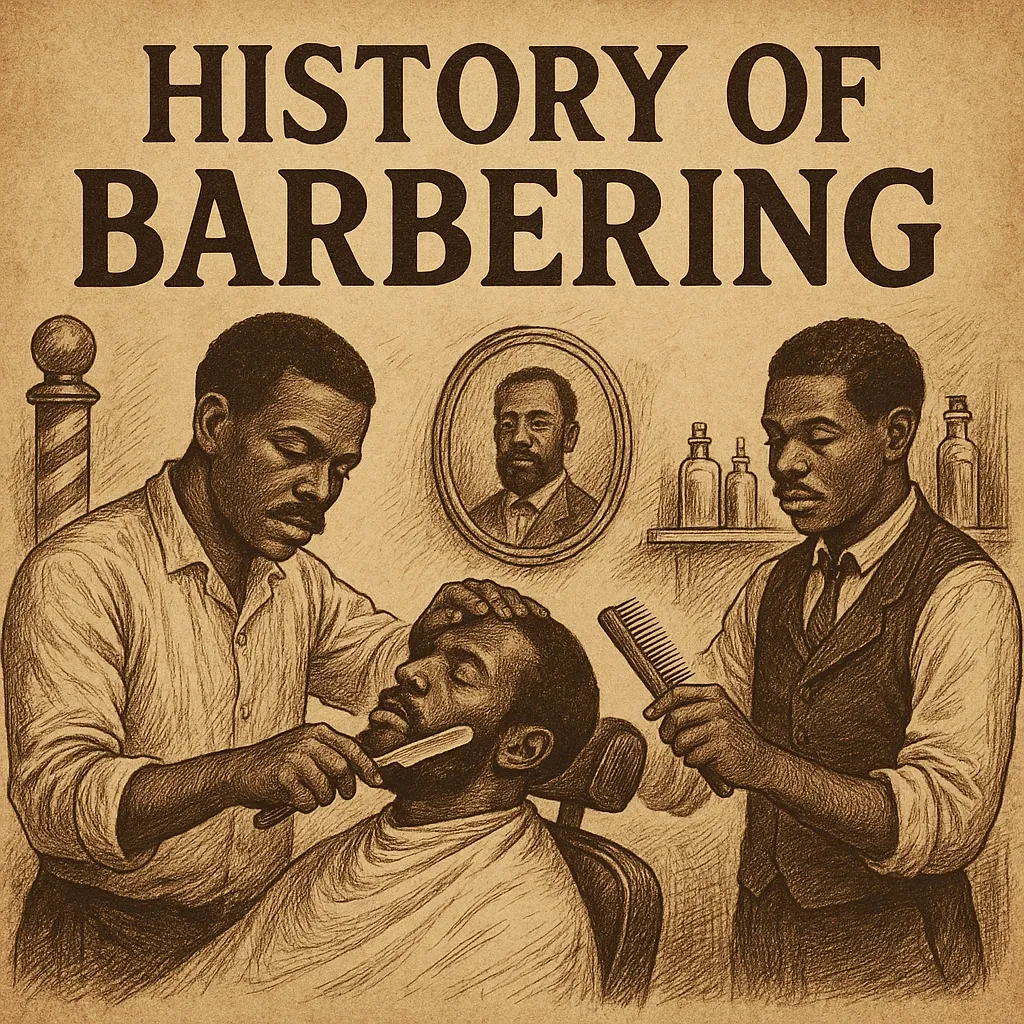
  • The History of Barbering

    From Ancient Rituals to Modern Luxury Service

    Barbering isn’t just a trade — it’s one of the oldest respected professions on Earth. Long before cameras, social media, or modern fades, barbers were leaders in hygiene, grooming, medicine, and culture.

    When someone sits in a barber chair today, they’re participating in a tradition that spans thousands of years, across civilizations, religions, and empires. The tools have changed. The techniques have evolved. But the core purpose remains the same:

    👉 Care for the community.

    Let’s explore the surprising, powerful, and sometimes shocking history behind barbering — and how it shaped the industry we see today.

    ⏳ 5,000 YEARS AGO — Ancient Egypt

    The first recorded barbers come from ancient Egypt around 3000 B.C.

    Barbers were highly respected. Egyptians believed:

    • Body hair held spiritual meaning

    • Grooming connected to purity

    • Cleanliness honored the gods

    They used sharpened flint and oyster shells to shave heads and faces. Priests were required to remain completely shaved — a sign of purity.

    This is the earliest version of barbering as:

    • Ceremony

    • Status

    • Health

    • Identity

    Sound familiar?

    🏛️ Ancient Rome & Greece — The Social Barbershop

    In ancient Greece, barbershops — called koureion — became social centers.

    Men gathered to discuss:

    • Politics

    • Sports

    • Philosophy

    • Community news

    In Rome, clean grooming was seen as civilized. Young men’s first shave was a coming-of-age ceremony.

    This is where the barbershop became:

    ✅ community hub

    ✅ debate space

    ✅ networking zone

    Nothing has changed.

    ⚔️ The Middle Ages — Barbers Became Surgeons

    Here’s where it gets wild.

    By the Middle Ages, barbers weren’t just cutting hair.

    They also served as:

    • Dentists

    • Bloodletters

    • Minor surgeons

    • Wound cleaners

    • Leech applicators

    • Bone setters

    People trusted barber-surgeons more than physicians, because they were:

    • Accessible

    • Skilled with blades

    • Experienced with the public

    They performed:

    🩸 bloodletting

    🦷 tooth extractions

    ⚔️ battlefield triage

    Your barber was your doctor.

    🎏 The Barber Pole Explained

    You’ve seen it outside of shops — the iconic red, white, and blue pole.

    Here’s its meaning:

    • Red = blood

    • White = bandages

    • Blue = veins (U.S. interpretation after colonial influence)

    • The pole = the staff patients squeezed during bloodletting

    • The ball at the top = the basin used to catch blood

    So when you see a barber pole?

    You’re looking at medical history.

    ✊ 19th–20th Century — Barbers and Black Culture

    In America, Black barbershops became cultural pillars.

    They served as:

    • Safe spaces

    • Entrepreneurial hubs

    • Political meeting grounds

    • Fashion influencers

    • Community therapy

    Clients didn’t just get haircuts…

    They got:

    • Brotherhood

    • Game

    • Mentorship

    • Advice

    Black barbers influenced:

    • Music culture

    • Street fashion

    • Professional presentation

    • Self-expression

    The shop became the culture.

    💈 Modern Barbering — Craft Meets Culture

    By the 1900s, barbering evolved again.

    Shops began focusing purely on:

    • Haircuts

    • Beard trims

    • Shaves

    • Grooming experience

    Technology upgraded tools:

    • Clipper motors

    • Adjustable guards

    • Razor precision

    • Hair fibers

    • Enhancement tools

    Barbering became art.

    Somewhere between cosmetology and sculpture, barbers began:

    • Fading

    • Texturizing

    • Detailing

    • Linework

    • Beard sculpting

    The fade became a global icon.

    📸 The Social Media Era

    The internet changed the game.

    Barbers now:

    • Build brands online

    • Attract clients through visuals

    • Create viral content

    • Master enhancements

    • Study global techniques

    Demand skyrocketed for:

    ✅ Picture-perfect hairlines

    ✅ Trend-driven fades

    ✅ Camera-ready precision

    The chair became a stage.

    🚐 Mobile Barbering — The New Frontier

    We’re now in barbering’s newest evolution:

    Luxury convenience.

    Instead of waiting in crowded shops, clients choose:

    • Privacy

    • Time efficiency

    • One-on-one service

    • On-call grooming

    Mobile barbers — like Head Peace Barber & Beauty Shop — are leading the next transformation:

    • Busy professionals

    • Parents

    • Athletes

    • Artists

    • CEOs

    Everyone values time now more than ever.

    Mobile service = the future of premium grooming.

    🧠 Why Barbering Will Never Die

    As long as humans:

    • Grow hair

    • Care about appearance

    • Seek connection

    • Want confidence…

    Barbers will exist.

    Because barbering isn’t just grooming:

    It’s:

    • Therapy

    • Culture

    • Confidence

    • Conversation

    • Community

    Robots can cut hair.

    But they can’t replace presence.

    👑 The Head Peace Philosophy

    We honor the root of this craft:

    • Ancient ritual

    • Community culture

    • Precision cutting

    • Professional hygiene

    • Personal transformation

    Our service combines:

    🔹 old-world respect

    🔹 modern luxury

    🔹 cultural relevance

    🔹 mobile convenience

    You’re not just getting a fade.

    You’re participating in a 5,000-year tradition of grooming, connection, and identity.

    🧵 Every Haircut Has History

    When you sit in the seat, you’re part of a lineage that includes:

    • Pharaohs

    • Warriors

    • Philosophers

    • Kings

    • Athletes

    • Artists

    • Celebrities

    • Communities

    The world notices how you show up.

    Barbering helps you show up as your best self.

    🎤 Final Word

    Barbering began as:

    • Ritual

    • Medicine

    • Ceremony

    It evolved into:

    • Fashion

    • Culture

    • Status

    • Art

    And today?

    It’s experience.

    At Head Peace Barber & Beauty Shop, we respect the history, master the craft, and elevate the future with luxury mobile service.

    📅 Book now — become part of the evolution.

    Barbering isn’t just history.

    It’s legacy.

    And we’re just getting started.

  • The Evolution of the Fade: From Classic Roots to Modern Trends

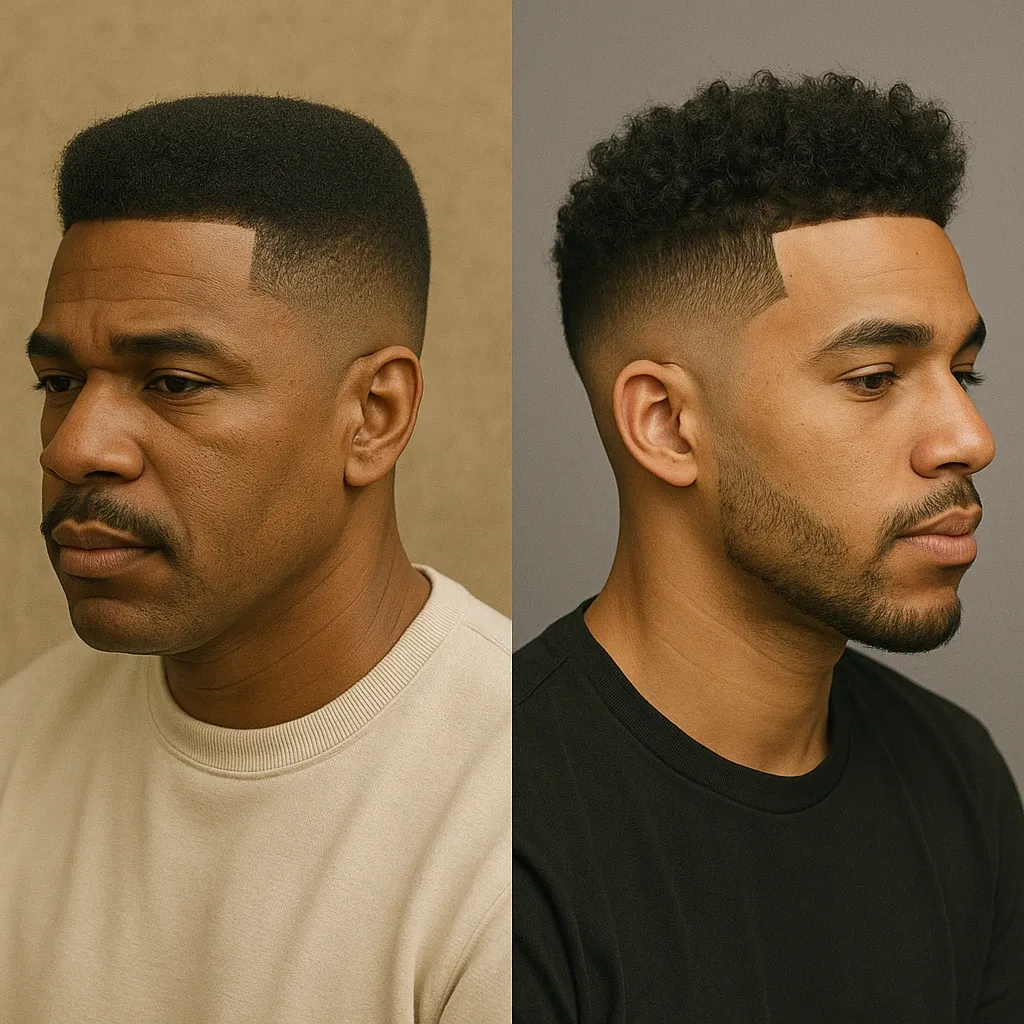
    Few hairstyles have stood the test of time quite like the fade. Clean, sharp, and endlessly versatile, the fade has become more than just a haircut—it’s a cultural statement. From its origins in the barbershops of the mid-20th century to its dominance in today’s fashion, sports, and entertainment industries, the fade has evolved into one of the most iconic looks in grooming history.

    At Head Peace Barber & Beauty Shop, we don’t just give fades—we respect the history, master the craft, and carry it forward into modern styles that keep you looking ahead of the curve. To understand why the fade remains unmatched, let’s take a look at how it’s transformed across generations.

    ⚔️ The Military Roots: 1940s–1950s

    The fade first gained traction in the U.S. military during the 1940s and 1950s. Soldiers needed haircuts that were clean, low-maintenance, and uniform—and the fade delivered. Tight sides, gradually blended into longer hair on top, kept things disciplined and sharp.

    This military influence spilled over into civilian life, where the fade began symbolizing order, neatness, and respectability. It wasn’t yet a style statement, but it laid the foundation for what would become a revolution in grooming.

    🎵 The Rise in Black Barbershops: 1960s–1980s

    The fade truly found its cultural home in Black barbershops during the 1960s through the 1980s. As barbers mastered the art of blending, the fade became more than a cut—it became a canvas for self-expression.

    High-top fades, geometric designs, and precision line-ups started dominating the streets, fueled by hip-hop culture and the growing visibility of Black athletes, entertainers, and leaders. The fade became a marker of individuality and cultural pride.

    For many, the barbershop wasn’t just a place to get a haircut—it was a community hub. The fade represented more than style; it represented identity.

    🏀 The Athlete Era: 1990s–2000s

    By the 1990s, the fade had become a staple among professional athletes and entertainers. Basketball stars like Michael Jordan, Allen Iverson, and countless others brought fades to global audiences, making them aspirational.

    The versatility of the fade made it ideal for athletes who needed to balance performance with style. From tight bald fades to clean tapers, the look dominated locker rooms and press conferences alike.

    This era cemented the fade as not just a cultural trend, but a mainstream standard for men’s grooming.

    🔥 The Modern Explosion: 2010s–Today

    Today, the fade has exploded into countless variations, each one tailored to different personalities, lifestyles, and aesthetics. Among the most popular:

    • Taper Fade: Subtle, professional, and versatile for any setting.

    • Drop Fade: A stylish curve around the ear that adds detail and uniqueness.

    • Burst Fade: Perfect for mohawks and creative styles.

    • Skin/Bald Fade: A sharp, clean finish with high contrast.

    • Low/High/Mid Fades: Offering different levels of boldness to match personal preference.

    What’s more, the fade has fused with other styles to create modern hybrids: mullet fades, shag fades, mohawk fades, even textured curls blended into clean fades. This adaptability has kept the fade relevant across generations, cultures, and industries.

    👑 Why the Fade Still Reigns Supreme

    The reason the fade has never gone out of style is simple: it’s timeless. No other haircut balances professionalism, edge, and individuality quite like it. Whether you’re stepping into a boardroom, walking onto a stage, or hitting the streets, a well-executed fade communicates sharpness and confidence.

    But here’s the catch: not all fades are created equal. The difference between a mediocre fade and a flawless one comes down to skill, precision, and artistry. That’s why choosing the right barber matters.

    ✂️ Head Peace Barber & Beauty Shop: Masters of the Fade

    At Head Peace, we know the fade isn’t just a haircut—it’s a legacy. Every fade we deliver is rooted in the history of the craft, elevated by modern precision, and tailored to the individual sitting in the chair.

    We don’t do “basic.” We don’t do “average.” We do fades that turn heads, stop conversations, and make you feel unstoppable the second you step out. From classic low fades to the boldest modern hybrids, we execute with mastery. And with our mobile barber services, we bring that level of greatness straight to you.

    Closing: The Fade Will Always Evolve—So Should You

    The fade has traveled from military barracks to neighborhood barbershops, from basketball courts to red carpets, from the past to the future. It has evolved with every generation because it’s more than a trend—it’s a foundation.

    The question is: are you evolving with it?

    At Head Peace Barber & Beauty Shop, we don’t just give fades. We honor the history, embrace the culture, and set the standard for the future.

    📅 Book your next fade with Head Peace today—and be part of the evolution.