Essential Barber Skills Guide
Core Techniques Every Professional Barber Must Master
Barbering is a craft that requires precision, patience, and continuous practice. While many people see a haircut as a routine service, professional barbers understand that mastering the fundamentals of the trade is essential for delivering consistent results.
Every skilled barber develops strong technical abilities that allow them to create clean fades, balanced haircuts, and precise detailing.
This guide explores the essential barbering skills that form the foundation of professional barbering.
Clipper Control
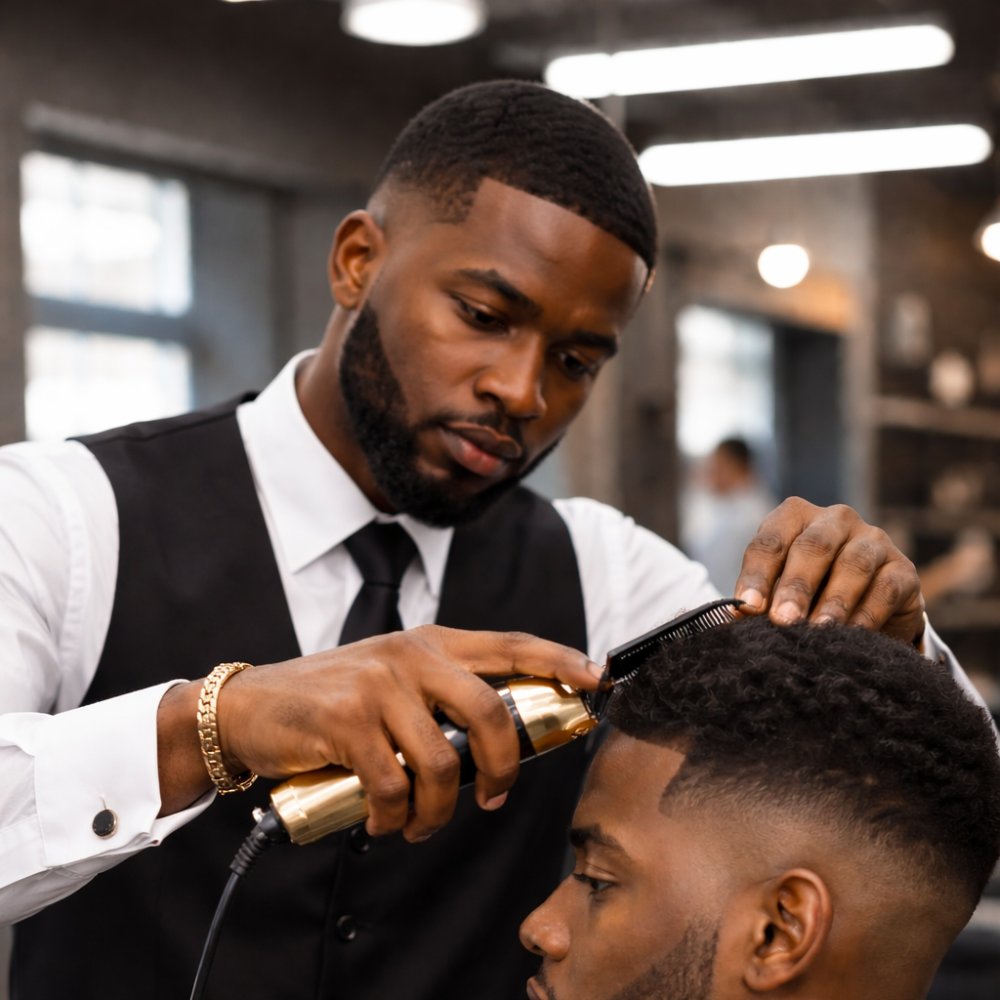
Clippers are the most commonly used tools in barbering, making clipper control one of the most important skills a barber must develop.
Proper clipper control allows barbers to:
• maintain even cutting patterns
• create smooth transitions between lengths
• avoid uneven lines during fades
• maintain symmetry throughout the haircut
Developing strong clipper control requires practice and an understanding of how different guard lengths affect hair blending.
Fade Blending
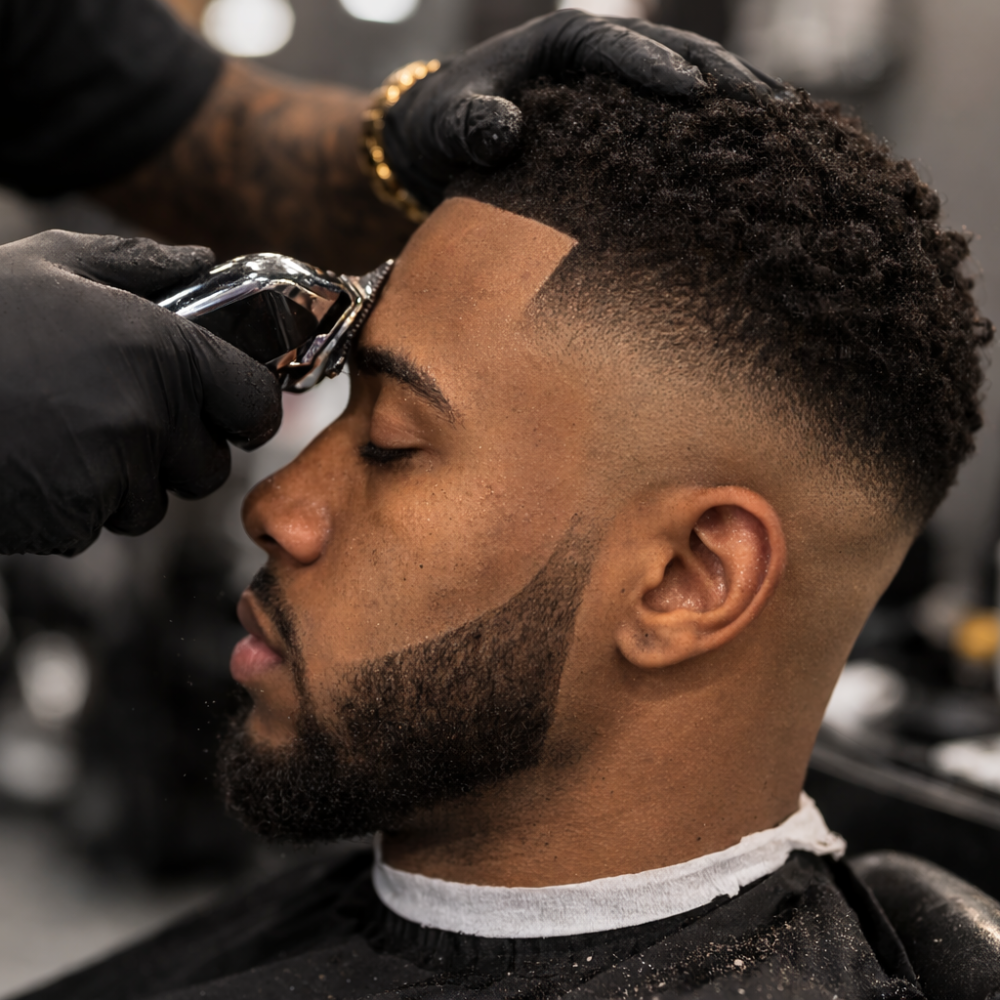
Fade haircuts are among the most requested styles in modern barbering. Creating a clean fade requires careful blending between multiple guard lengths.
A properly blended fade should appear smooth and seamless, with no visible lines separating different hair lengths.
Barbers achieve this effect by:
• gradually transitioning guard lengths
• using blending techniques
• refining the fade with detail work
For a deeper explanation of fade styles, explore our Fade Haircut Guide.
Scissor Techniques
Although clippers are essential tools in barbering, scissors remain important for shaping hair and adding texture.
Scissor techniques are commonly used for:
• shaping longer hairstyles
• adding movement to hair
• blending longer sections with clipper work
• refining the top portion of a haircut
Developing strong scissor skills allows barbers to create more versatile haircut styles.
Line-Ups and Detailing
Line-ups and detailing help define the edges of a haircut and create a clean, polished appearance.
These techniques involve:
• shaping the hairline
• defining sideburns
• sharpening beard edges
• refining small details
Precision is critical when performing line-ups because even small mistakes can affect the final result.
Beard Sculpting
Beard grooming has become an important part of modern barber services.
Professional barbers shape beards to complement a client’s face shape while maintaining symmetry and balance.
Beard sculpting typically includes:
• trimming excess length
• defining cheek lines
• shaping the neckline
• blending the beard with the haircut
For more insights on beard care, visit our Beard Grooming Guide.
Client Consultation
Technical skill alone does not define a successful barber. Understanding a client’s expectations through consultation is equally important.
A proper consultation helps barbers understand:
• desired haircut style
• hair type and texture
• maintenance expectations
• lifestyle considerations
Effective communication helps ensure the final result matches the client’s expectations.
Consistency and Attention to Detail
One of the most important traits of a professional barber is consistency.
Delivering reliable results across different clients requires attention to detail and a structured approach to each haircut.
Professional barbers focus on:
✔ maintaining symmetry
✔ refining small imperfections
✔ ensuring smooth blends
✔ creating balanced haircut shapes
These habits separate experienced barbers from beginners.
Related Articles From The Fade Forum
Explore additional resources from The Fade Forum:
• Professional Barber Guide: Skills & Industry Insights
• Fade Haircut Guide: Types of Fade Haircuts Explained
• Beard Grooming Guide: How to Maintain a Clean Beard
• Types of Men’s Haircuts
These guides provide deeper insights into haircut styles, grooming techniques, and modern barbering.